


 Language: English











Solutions
Horse Construction offers full range of structural strengthening materials with technical supports, documentation supports, products supports, project supports.
FRP System for Structural Strengthening

Fiber-reinforced polymer (FRP) composites are widely used for external strengthening of concrete structures. Multiple FRP families including CFRP, GFRP, BFRP and AFRP are available, each with distinct material behaviours. The licensed design professional must select an FRP system based on the anticipated service conditions. While alternative FRP materials serve niche applications, Carbon Fiber Reinforced Polymer (CFRP) stands out for most demanding structural retrofit projects.
Below we compare performance across core selection criteria to identify where CFRP delivers superior performance.
Environmental Considerations
Environmental conditions affect resins and fibers of all FRP systems. Mechanical properties including tensile strength, ultimate tensile strain and elastic modulus can degrade upon exposure to alkalinity, salt water, chemicals, UV light, high temperature, high humidity, and freeze-thaw cycles. Design material values must account for such degradation.
Alkalinity and Acidity
An FRP system’s long-term performance in alkaline or acidic environments depends on both matrix and fiber.
Dry, unprotected carbon fiber resists both alkaline and acidic attack. In contrast, bare glass fiber gradually degrades under alkaline and acidic exposure. With properly selected resin matrix, CFRP laminates isolate carbon fibers from corrosive media and resist deterioration. For concrete structures, coastal salt environments and industrial facilities with chemical exposure, CFRP offers more reliable long-term corrosion resistance than GFRP.
Thermal Expansion
FRP systems differ in thermal expansion behaviour, and fiber and polymer components within each FRP system also vary.
Carbon fiber has a coefficient of thermal expansion near zero. Glass fiber has thermal expansion similar to concrete, while the polymer resin in FRP strengthening systems typically has a thermal expansion coefficient roughly five times that of concrete.
CFRP’s near-zero fiber thermal expansion greatly reduces thermally induced strain mismatch between the FRP and concrete substrate. Although strain differential calculations are complex due to fiber orientation, fiber volume fraction and adhesive layer thickness, practical experience shows thermal expansion differences do not harm bonding for normal temperature fluctuations (±50°F / ±28°C). This unique characteristic makes CFRP preferable for structures exposed to large temperature swings.

Loading Considerations
Loading conditions uniquely affect different fiber types. The selection of FRP must match the expected load regime.
Creep Rupture and Fatigue
This is where CFRP shows its most decisive advantage.
CFRP systems are highly resistant to creep rupture under sustained static loading and fatigue failure under cyclic loading. GFRP and BFRP are far more sensitive to both sustained loads and repeated cyclic loads.
For bridges, crane beams, industrial slabs and other structures subjected to recurring live loads or long-term permanent load, CFRP is the preferred FRP system to guarantee long-term structural safety.
Durability Considerations
All specified FRP systems should complete durability testing matching the application environment, including hot-wet cycling, alkaline immersion, freeze-thaw cycling, UV exposure, dry heat, and saltwater exposure.
For FRP systems that fully encase concrete sections, designers need to evaluate freeze-thaw action, steel corrosion, alkali-silica reactions, trapped water, vapor pressure and moisture vapor transmission. Many FRP products form an impermeable surface layer; provisions for moisture escape are required where vapor transmission occurs.
When comparing long-term durability test results, CFRP maintains its mechanical properties more consistently over time than competing FRP systems under aggressive environmental ageing.

Summary: How to Choose Between FRP Systems
Choose CFRP when high tensile stiffness, high strength, excellent fatigue resistance, and long-term corrosion stability are priorities. It is the primary FRP solution for most structural strengthening, bridge retrofitting, seismic upgrade and heavy sustained/cyclic load projects.
Reach out to our technical team for full material data and performance documentation for your project.
You can find anything here you are in need of, have a trust trying on these products, you will find the big difference after that.

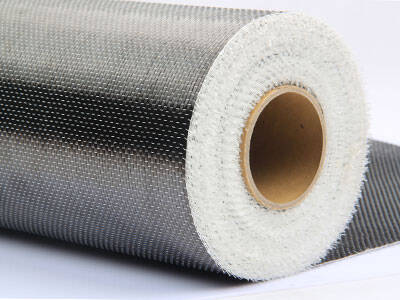
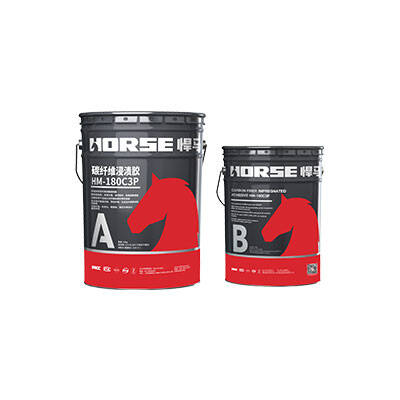
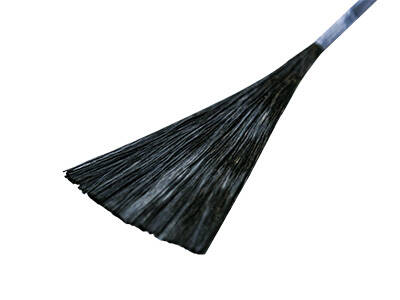
High strength, unidirectional carbon fiber wrap pre-saturated to form a carbon fiber reinforced polymer (CFRP) wrap used to strengthen structural concrete elements.

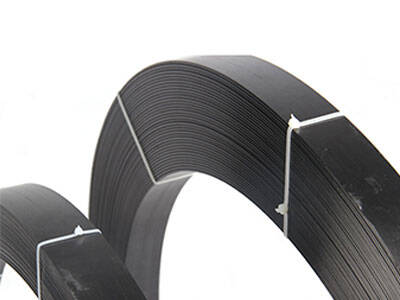
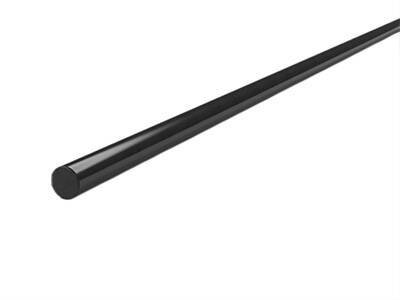
High strength carbon fiber reinforced polymer (CFRP) strip / laminate / plate for structural strengthening and concrete repair

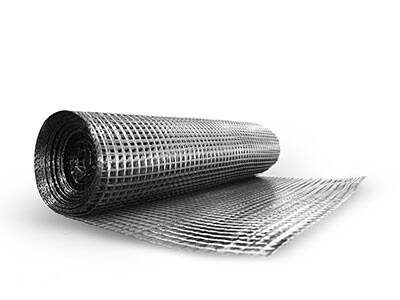
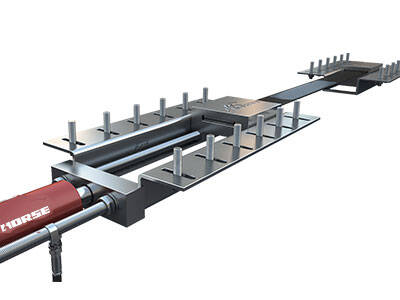
Prestressed carbon fiber reinforced polymer(CFRP) plate for slab, beam strengthening to increase stiffness, reduce distortion and deflection of members, reduce the cracks, avoid and stop cracking.
